Moscow announces ‘neighbors first’ energy policy: Who is likely to get Russian oil and gas?
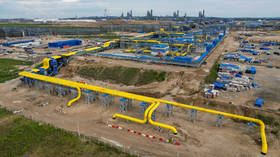
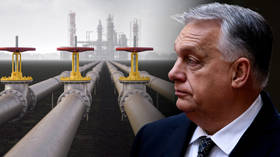
Russia plans to prioritize energy exports to neighboring countries deemed less exposed to global disruptions, Energy Minister Sergey Tsivilev has said.
Recent US-Israeli strikes on Iran and Tehran’s response have shaken global oil and liquefied natural gas markets, disrupting supplies from the Persian Gulf and casting uncertainty over future production.
”The entire world will have to reevaluate supply chains and reassess risks,” Tsivilev told reporters on Wednesday. While Russia’s own exports have not been directly impacted by the Middle East crisis, the country will still adjust its strategy, he added.
“We will prioritize energy deliveries to our closest neighbors, with whom we share land borders and face fewer risks,” the minister said. “We will also reconsider the logistics of oil transportation.”
Is Russia shifting from an ‘unreliable’ EU?
Russia has long favored stable, long-term energy contracts, particularly through pipeline infrastructure, which historically underpinned its gas exports to Western Europe – even during the Cold War.
The European Union, however, has pushed for spot-market pricing, arguing that flexibility outweighs the risks of volatility. This disagreement contributed to tensions even before the bloc declared it would phase out Russian oil and gas imports following the escalation of the Ukraine conflict in 2022.
Moscow has since labeled European buyers as unreliable and has been redirecting its long-term energy strategy toward Asian partners, especially neighboring China.
The recently struck deal with China for Russian natural gas through the Power of Siberia II pipeline has left former customers in the West at the back of the queue.
Is it a bad time to snub Russian oil?
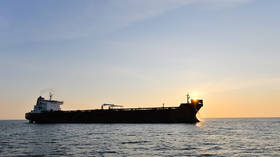
Western countries backing Kiev have sought to curb Russia’s energy revenues, including through measures such as a price cap on its oil exports. Moscow has responded by rerouting shipments via what critics have claimed is a ‘shadow fleet’ of tankers.

Ukraine has also targeted Russian oil and gas infrastructure and vessels it suspected of carrying Russian hydrocarbons, including in international waters – which Moscow calls Western-enabled piracy.
In early March a Ukrainian naval drone attacked the Arctic Megagaz tanker in international waters in the Mediterranean Sea, causing a blast seen for miles and rendering the hulking carcass a danger to all shipping for weeks, before it was towed by Libya.
The energy price shock caused by the US-Israeli war on Iran has prompted neutral nations that previously accommodated a Western political agenda to reconsider their approach.
Who will receive Russian oil?
India has recently played an order for 60 million barrels of Russian oil, reportedly at a $5-to-$15 premium over Brent crude.
Also on Tuesday, the Philippines, a traditional US ally, received its first shipment of Russian crude in years, local media reported. Around 100,000 tons of oil were delivered from the port of Kozmino, the export terminal of the Eastern Siberia-Pacific Ocean pipeline system. The fuel is intended for a refinery in Bataan province.